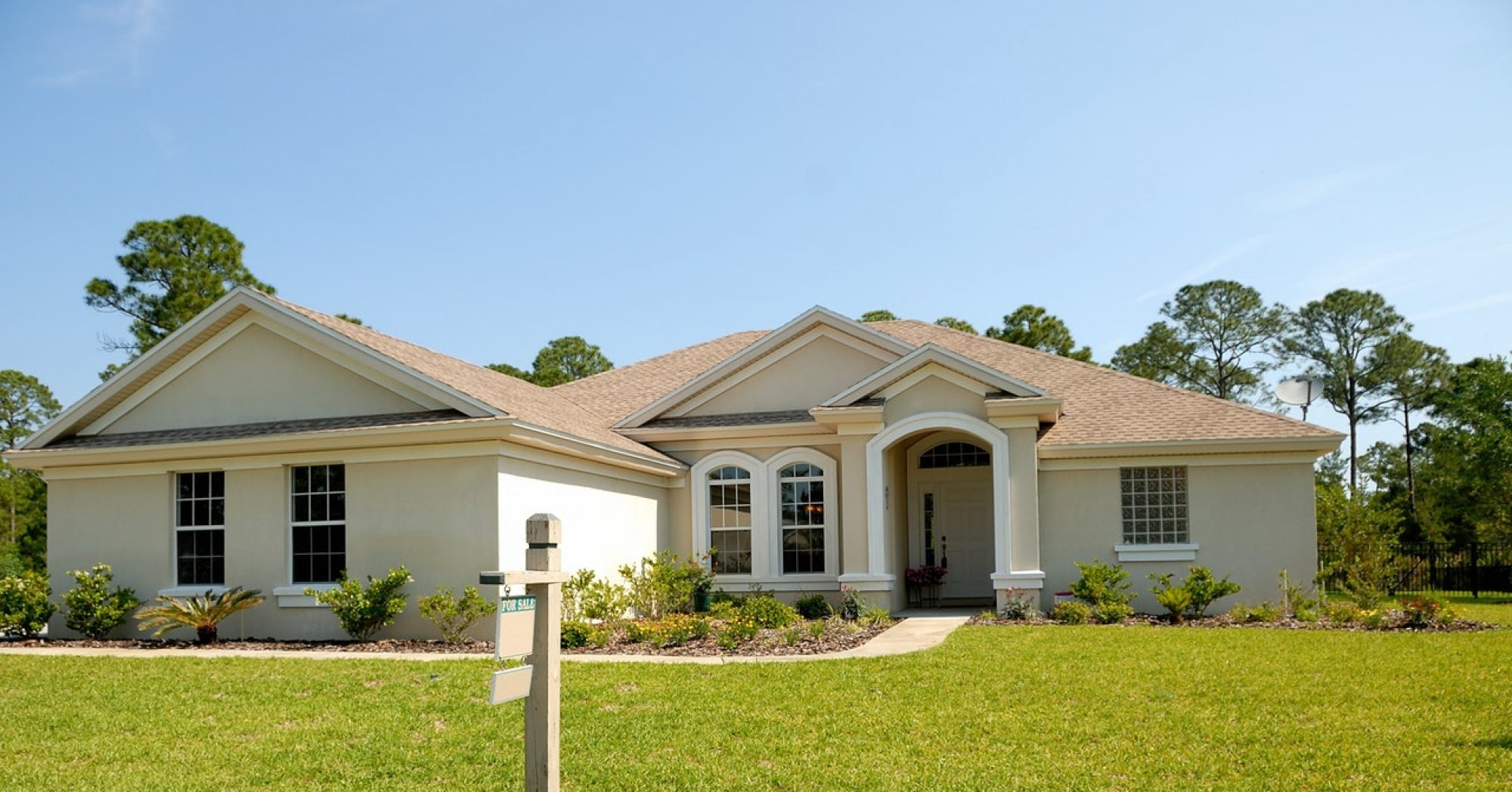
What You Should Know About Roof Tiles

roof tilesIf you’re looking at roofing materials, you’ll definitely want to consider a tile roof. What are roof tiles? They’re a versatile material that are perfect for most roofs.

Tile Roofs Can Withstand The Elements

Roof tiles are extremely resilient. They can last for a very long time, even if you live in an area that sees severe weather conditions. Rain, snow, and other elements won’t due much damage to your roof. These tiles can also withstand intense winds. As long as it’s properly installed, tile roof should be able to last for decades or more.

It’s An Energy Efficient Options

How high are your energy bills? If you’re hoping to lower your energy costs, you’ll definitely want to look for an energy efficient material like this one. When these tiles are combined with the right decking and insulation, they can be extremely energy efficient.

They’re A Safe Choice

These tiles are reliable, and their fire safety rating is high. If you want to feel safe and secure in your home, you’ll definitely want to choose these tiles.

Roof Tiles Don’t Require Much Maintenance

Some roofing materials require a great deal of maintenance. If you want to upgrade your roof, but don’t have the time, money, and energy to invest in maintenance, tiles are ideal for you. They require minimal maintenance; it will be easy to keep your tiles in great shape. You won’t have to waste a lot of time worrying about your roof; you’ll know that it’s in excellent condition.

They Come In A Wide Range Of Styles

Not all tiles look the same. You can actually find tiles in a number of styles. Whether you’re looking for tiles that mimic the look of wood or tiles that resemble slate, you’ll be able to find tiles that appeal to you. These tiles come in all kinds of shapes, styles, and colors.

It’s An Environmentally Friendly Option

If you’ve been trying to reduce your carbon footprint, you’ll definitely want to look at this green roofing materials. The materials used for these tiles won’t deplete natural elements. These tiles aren’t just aesthetically pleasing; they’re also great for the planet.

Now that you have a better understand of roof tiles, you can decide whether or not you’d like to purchase tiles for your roof. As you can see, there are a lot of great reasons to choose tiles for your roof. Take a closer look at tiles and see if they might be a good fit for someone like you!

Background of Slate Roofing

So you have got your PC home loan and the property you have acquired has a slate roof. This is a great decision as slate ads value and a touch of class to any home. Here we have a brief look at the history of the slate roof.

Slate roofs have been around for an amazing 700 years!.  It was originally used on castles, it originally had been a product restricted to such buildings due to its expense and the workmanship needed to make the roof.  It is a long-wearing, durable, weather-resistant, fire-resistant material. Its average lifespan is about a hundred years, so that it is one of the best materials for almost any roof. However, it is actually still extremely expensive. Today it is still at the expensive end of the roofing spectrum but its longevity and classy look make it worth it.

Evidence of slate roofing is shown in records of homes in England and Wales in the 1300s and in the USA around 1600s. This material came as shale sediment. It had been also made from clay and volcanic ash based on where it had been sourced. From the very early 1800s, the rock was quarried in Spain. The procedure used was efficient and roofing made of slate become common in regular homes, not simply castles or those intended for the wealthy and is still a popular choice today.

In the USA a quarry opened within the late 1700s. It quickly became offered there to ordinary citizens. The content failed to begin being mass quarried in the states till the 1800s. The largest producer of slate tiles is Vermont. Vermont was house to many immigrants who arrived there within the mid-1800s from Wales. This is certainly one reason they immediately set about finding a means to source and produce slate for the use in roofing. When the railroads arrived, the slate produced there was able to be shipped across the nation and hence started to become a lot more popular and affordable.

It was actually the most typical materials for roofing in the nation until the early 1900s. Homes produced from this time around period that can be found today often still need the slate roofs intact. It is a long-wearing, durable, weather-resistant, fire-resistant material. Its average lifespan is about a hundred years, so that it is one of the best materials for almost any roof. However, it is actually still extremely expensive.

When newer materials began appearing on the marking, including tiles and wood shake, they begun to no longer be used. This is mainly due to the price of slate for roofing as well as the skill and time required to make a roof.

Today they have crafted a comeback on account of many people desiring to refurbish older or historic homes. It is still the priciest roofing material yet it is durable plus it offers a beauty that withstands the exam of your energy.

Thank you to Slate Roofing Sydney for the article.

Roof damage from storms

When you have a home loan you want to know the best ways to care for your assets and minimise the stress of having a home loan. Here we take a quick look at what damage a storm can do to your roof.

Hail, wind, rain and snow can all affect your roof and materials that it is made of. After any storm but particularly severe storms you will want to look at the roof immediately to find out what damage has occurred. After having a visual inspection from the ground speak to a professional roofer such as the team at Roof Restoration Brisbane and have them inspect it again to enable them to start on any repairs that it may require.

Rain can cause damage by exacerbating any leaks which can be already present, it can also cause gutters to back up and potentially cause leaks this way.  Wind, especially severe wind from storms or tornados, can tear shingles and tiles from the roof and cause severe problems. These storms can literally rip the rooftop off of your property. For those who have any spots on the ceiling it is really an indication that a number of the shingles have already been damaged and leaks have begun from harsh rain or wind. Hailstorms can crack roof shingles or tiles. They are able to also fracture the shingles that may weaken the complete roof.

If you live in a cold environment snow and ice may cause damage. Snow at times may not look like it may do much to affect a roof but It can when it piles up and gets icy. This puts a great deal of weight around the roof and might weaken it causing leaks or cracks in the tiles or shingles.

Storms and harsh weather can certainly damage a roof. Depending on your location, certain storms can be more widespread than the others. Once you purchase a new roof, be sure to speak with your neighbourhood roofer to identify a durable material that may withstand the harshest climatic conditions that your particular area is exposed to.

It is important to remember that damage might not happen immediately. It could happen gradually after several storms. That is why it is actually very important to examine your roof just after any serious weather occurs.  If you see any tears, curls or some other damage, have your roof inspected by certified roof contractors right away.

It is also a great idea to have a regular roof check prior to storm season to make sure your roof is safe and secure.

Types Of Air Conditioning Systems

So you got your home loan and now you need to keep your home cool. Here’s how.

Air conditioning systems are necessarily needed to help keep the house cool and comfortable, and especially during hot and humid summer days. With the many different types of air conditioners on the market today, deciding on the right system for your house can be a little daunting. Choosing the right-sized air conditioner however means a more comfortable home. Knowing the different types of air conditioners and how they work is however the first step in buying the right one. Some of the most common types of air conditioners are outlined below.

1. Portable Air Conditioners
A portable air conditioner is designed for portability and small-scale use. This type of air conditioner works particularly well in rooms under 500 square feet and can be taken from one room to the other. These are mainly meant for houses or rooms without air conditioning. It is however worth noting that, portable air conditioners are notably much louder than fixed ones.

2. Ductless Air Conditioners
Ductless air conditioners are significantly much larger and more powerful than portable air conditioners. These systems are specially designed for homes without existing ductwork. This system may come as a single unit or in two parts. The exterior module is installed outside while a wall-mounted handler is installed inside to blow air throughout the room. Window installation isn’t necessarily needed for these types of systems.

3. Central Air Conditioners
These are the standard and prefered air conditioning systems today for many homes and offices today. The system has a network of ductwork means to deliver cool or warm air throughout the house. The ductwork therefore works as the distribution system thus making it possible to keep the entire house comfortable through the day. Central air conditioners come in several parts. An evaporator is placed outside the house to help push warm or cool air into the house. The system also comes with a thermostat as well.

Central air conditioning systems are a wise investment if you need to cool a large house or room. Portables, on the other hand, are only meant to keep one room cool. Choose the right air conditioner based on the need, preferences, and working budget. Experts however recommend investing in just the right sized air conditioner for your home, since too big an air conditioner will only mean higher energy consumption, while a small one will only strain to keep the house comfortable. Having an expert help you choose the right AC is recommended for the best results.


Image courtesy of Air Conditioning Geelong

Tips On How To Care For Your New Pool Fence

So you have your home loan and your dream pool! If you have recently installed a brand-new pool fence, you will want this to last as long as possible. These can be very expensive, depending upon the type of material that they are made of. Additionally, the size of your pool, the height of the fence, and how it was installed can all contribute to the many things that you must do to keep it in good condition. These are typically put in place to protect small children, preventing them from getting inside when there are no adults present. Here are a few tips on how to care for your new swimming pool fence that will likely last for many decades if you use the following strategies.

What Type Of A Swimming Pool Fence Did You Install?

There are two different types that you can install. First of all, there are those that are permanent. These are going to go around the swimming pool area. These will not necessarily be adjacent to the swimming pool, but just around the area in your backyard where the pool is located. If they are permanent, they typically are very low, allowing you to see the swimming pool, yet providing consistent amounts of safety. The other type of swimming pool fence is one that is portable, a removable fence that can be set into place when people are not outside using it.

How To Care For This Type Of Fence

Most of these are going to be made of some type of metal, plastic, or perhaps PVC. They can be collapsible, making them easy to store. They will likely have many joints if they are going to go around a swimming pool that is an irregular shape, yet they are still easy to collapse and store. They are going to be self latching, making it virtually impossible for children to open them. To avoid the probability of children getting inside, they can also have a key or combination lock. To care for them, you will simply spray them down, preferably with chlorinated water, and allow them to dry in the sun.

Most of these are not going to get very dirty at all. Very few people are going to make contact with the fence itself. Its primary purpose is to go around the swimming pool when it is not in use, and it is typically only used when people have small children. If this is going to be placed on a deck, it is recommended that you drill holes into the deck so that the supporting poles can be inserted. If it is not in use, you can place color-coordinated plugs that will be flush with the surface, making it very difficult to see the holes that are actually there. As long as you are spraying down, or wiping down, the fence on a regular basis, it will stay clean and will not degrade. It’s one of the best ways to protect your kids if you have a swimming pool outside using one of these collapsible fences.

pool fencing

image courtesy of Pool Fencing Sydney